

Does your quilting room needs a bit of organization? Whether your fabric stash is overflowing or you frequently misplace small sewing tools, we are here to help you regain control and bring order to your space. Every sewing room is unique, just like every person who sews. Your projects, space, and supplies are distinctive to you. Let us help you create a more organized and efficient quilting room tailored to fit your needs.
Organize and Prioritize
The first step in organizing your sewing room is to establish organizational goals. Take a good look around and identify what is and is not working.
- Is there a particular area that is discouraging your creativity?
- Is there a storage solution you love and want to keep?
- Do you have an idea of how your sewing room should function and support your crafting needs?
Consider what your priorities are for the space. The priorities of each sewing room will vary because each person who sews will have different needs; you have to decide what those priorities are.
For instance, you might prioritize having a dedicated area for cutting fabric. If you are constantly setting up and clearing a table for this purpose, a designated cutting area can resolve the issue.
Clearly define your organizational goals and priorities. This will help you decide where to start and what to focus on in your process for a more organized sewing room.
Sort Supplies
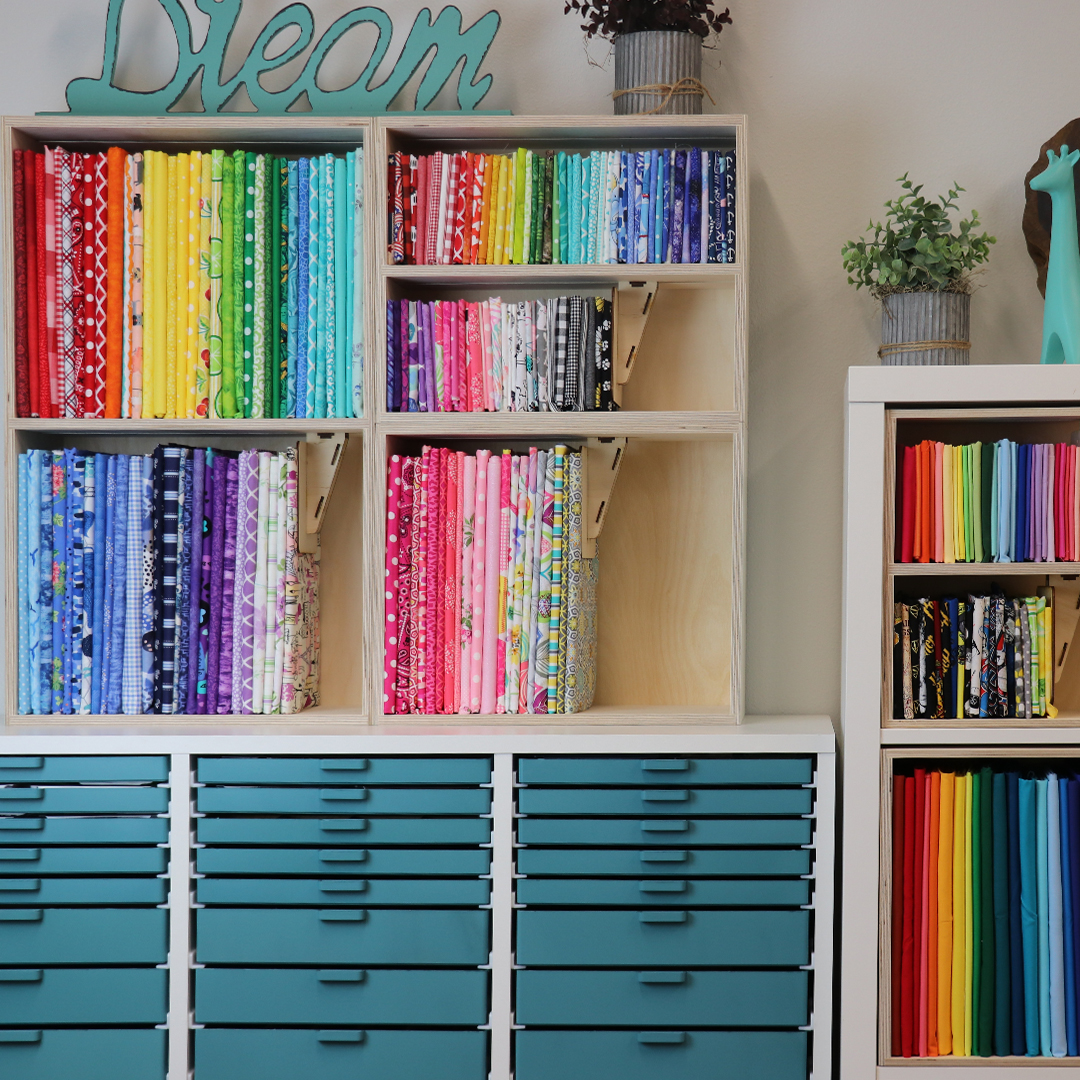
Next, it is time to sort through your supplies. You cannot organize your space unless you know what you have. Take inventory of everything in your sewing room, starting with your fabric stash. Sort through all your fabric (yes, all of it) and categorize it. You can sort by type, color, or material. One effective method is to organize by color, creating a beautiful rainbow of fabric. Choose a system that makes sense for you and aligns with how you approach your sewing projects.
Don't forget about your fabric scraps. Sort through the containers where you store them and organize the scraps. If you have too many scraps, consider donating or discarding some. Now is a great time to donate or throw away any fabric that is not serving a purpose.
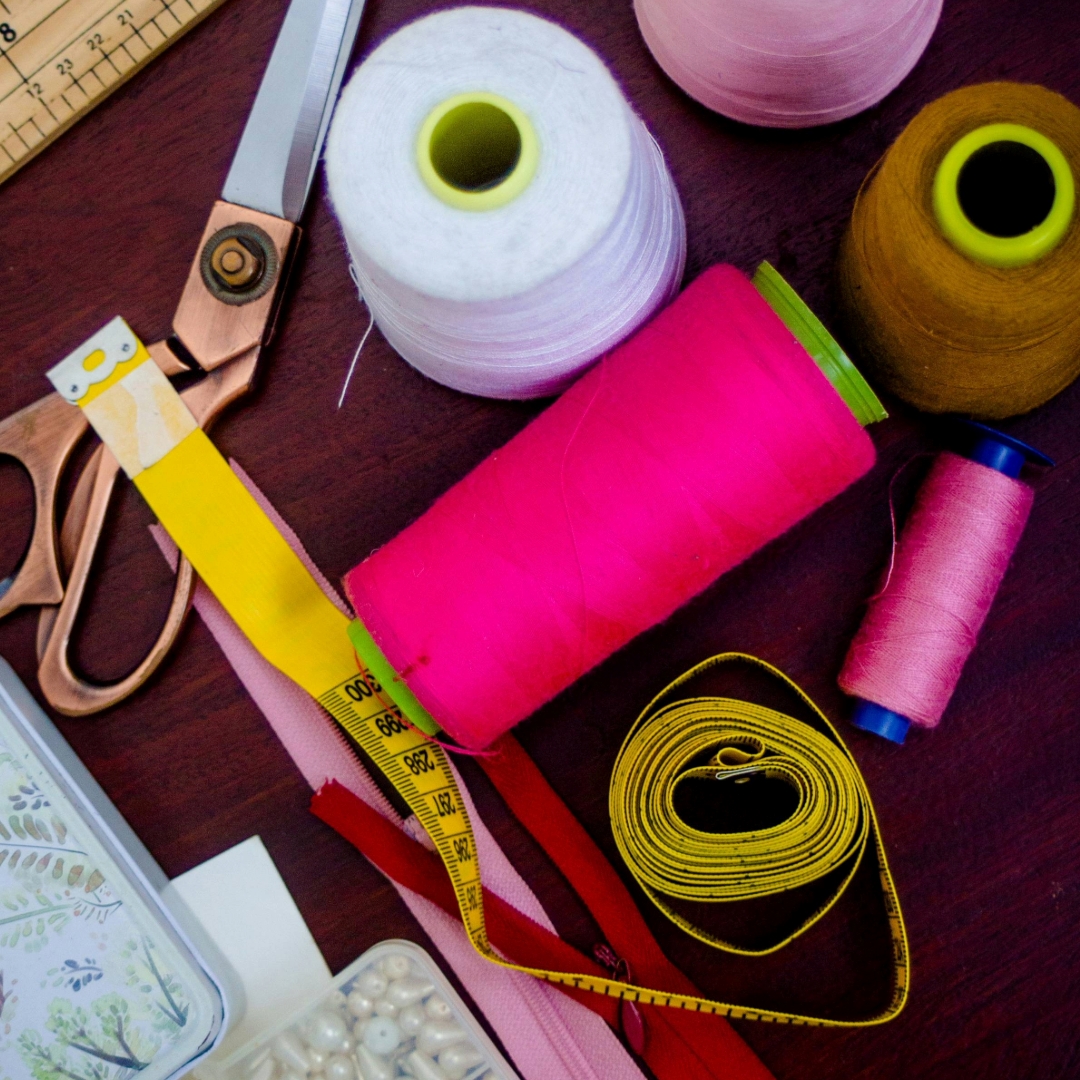
Next, look at the rest of your sewing supplies and gather any items scattered around the room. If you have dozens of scissors, you probably do not need all of them; consider giving some to a friend. Dispose of any broken supplies. Organize the remaining items, prioritizing those you use most frequently by storing them near your sewing area. Items you use less often can be stored further away but within easy reach.
The final step in organizing your sewing room is to evaluate your storage options. Identify what's working and what needs improvement. Focus on organizing these five main areas:
- Fabric
- Thread
- Patterns
- Rulers
- Sewing Supplies
When you address these categories, you can create a more efficient and enjoyable sewing space.
Fabric
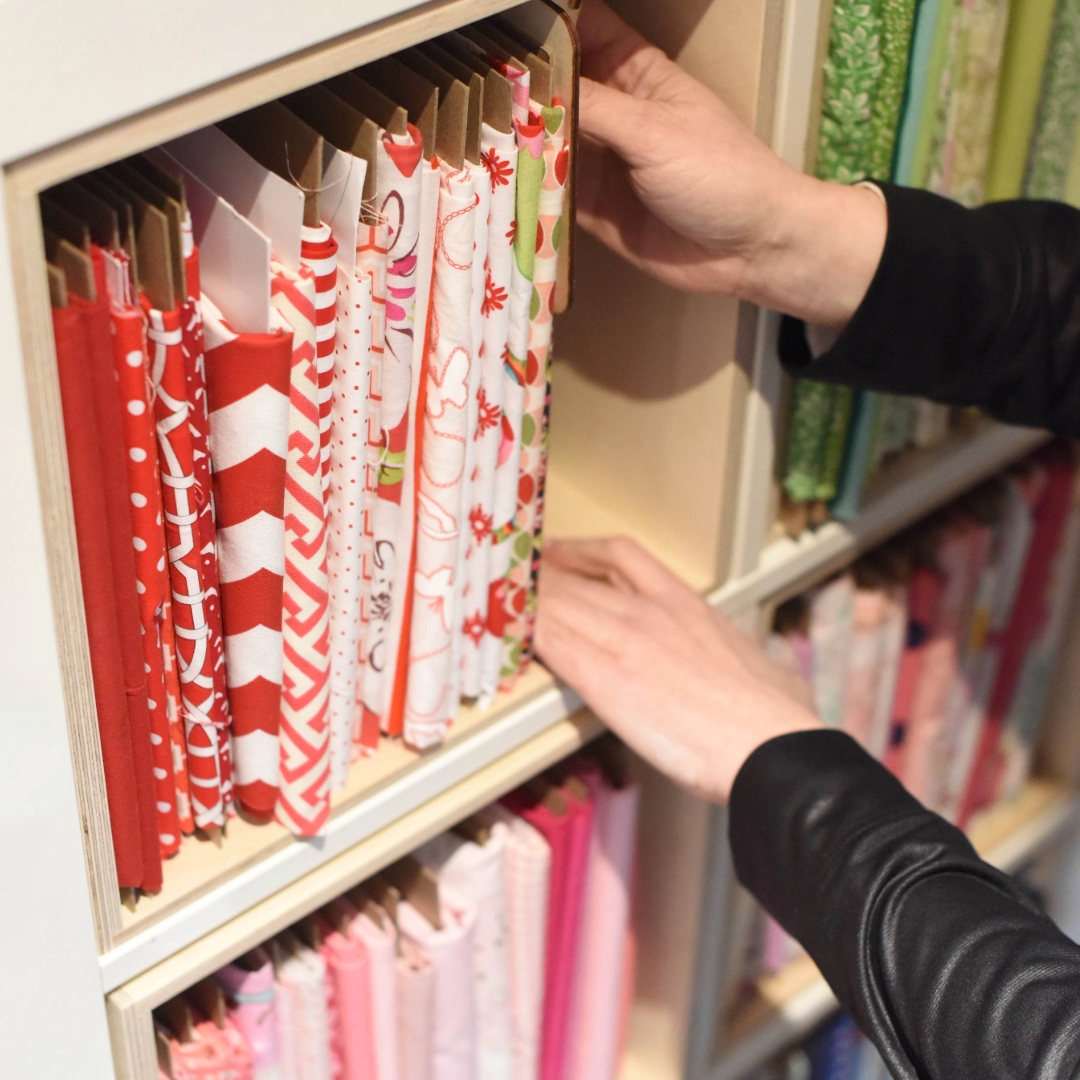
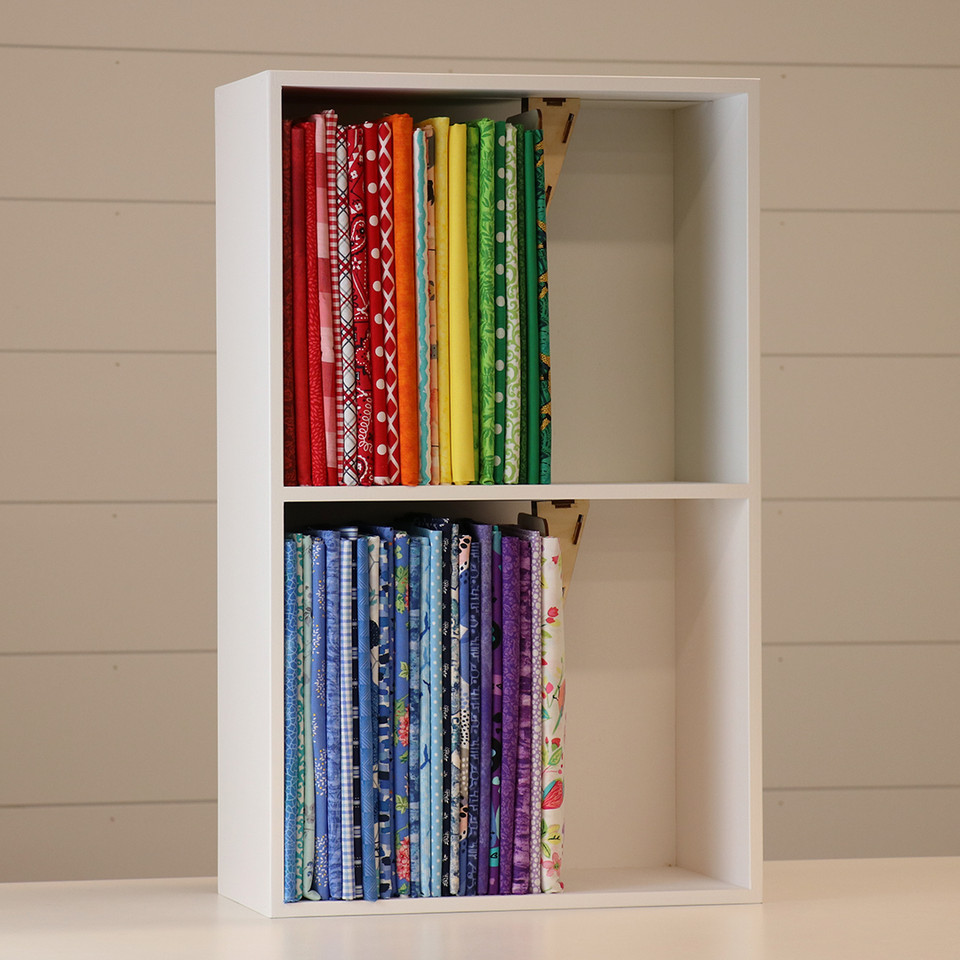
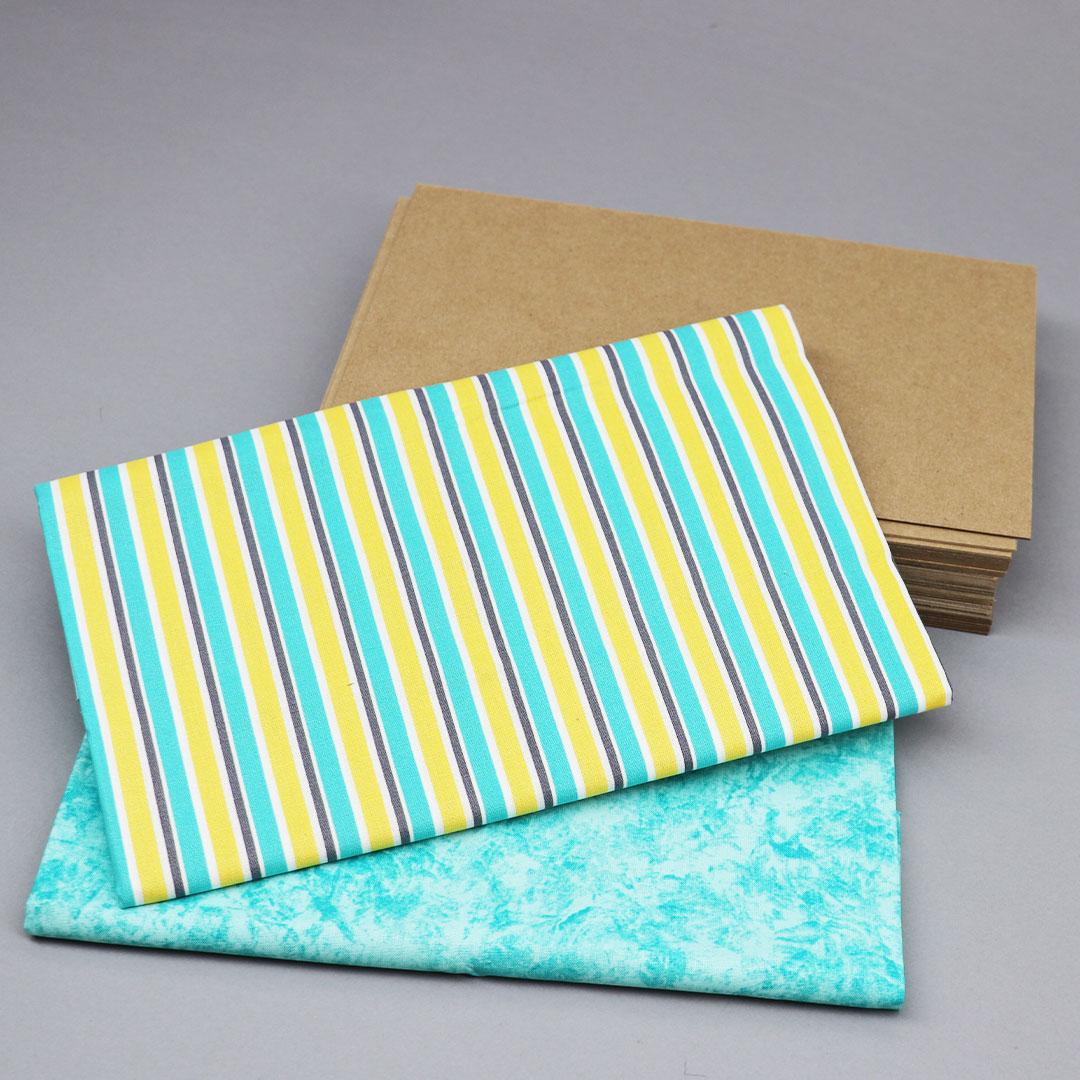
When organizing your fabric, consider the quantity and size of your pieces. The Fabric Storage Tower is a great solution that neatly stores your fabric stash, no matter how big or small your collection is. Fold your fabric and place it on the shelf. To assist with folding, use Fabric Wrap Boards. These sturdy boards keep your fabric neatly wrapped and prevent it from collapsing on the shelf. Fabric Wrap Boards were made to fit perfectly in the Fabric Storage Tower.
Thread
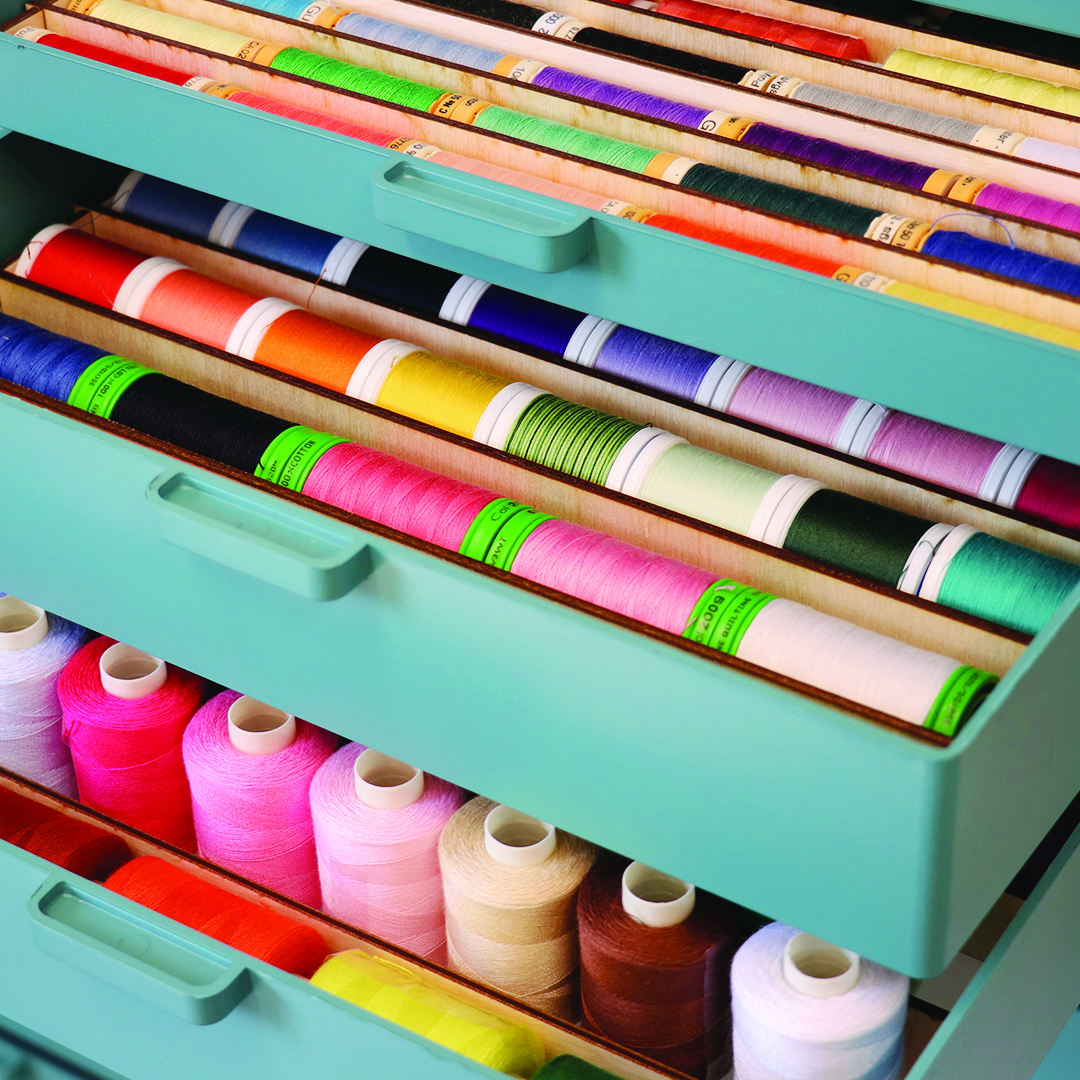
Thread is bright, colorful, and essential for keeping all your projects stitched together. However, it can be challenging to store. For an easy way to keep your thread organized and accessible, consider the Thread Grid Storage System or FlexiDrawer Dividers are a great addition to your Best Craft Organizer Storage Cabinet Drawers. This system comes in various sizes to accommodate different spool sizes.
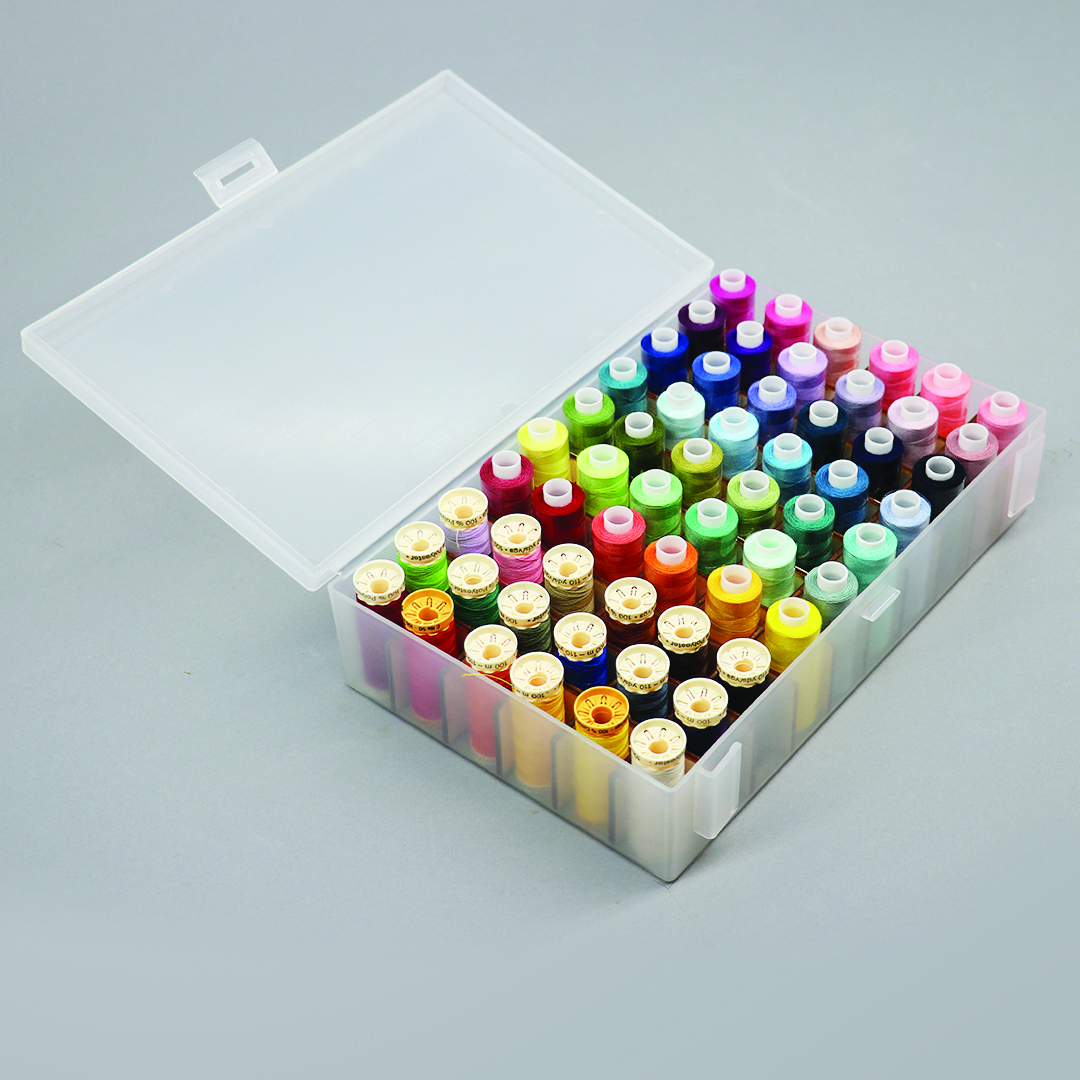
If you don't have a BCO Cabinet but still need to organize your thread, the Wall Box is another excellent option. It fits spools with diameters of 3/4", 1", 1-1/4", 1-1/2", and 1-3/4". Helping keep your thread collection neat and easily accessible.
Rulers
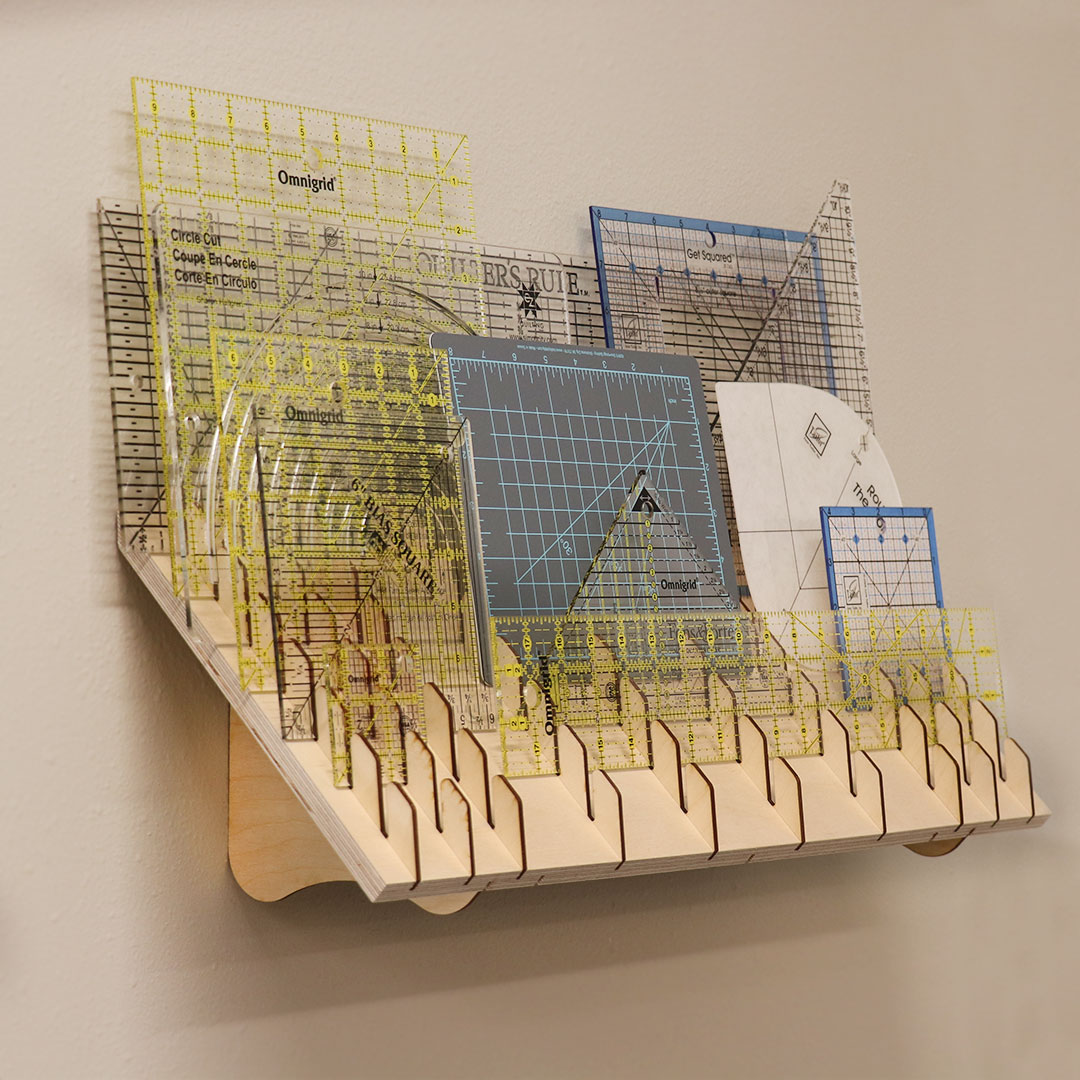
Rulers are necessary for anyone who sews, but the variety of sizes can make them tricky to store. The Ruler Stand is a practical solution, as it can sit on your desk or be mounted to your wall—an excellent option for utilizing vertical space. The Ruler Stand keeps all your sewing rulers organized in one place, making them easy to grab whenever you need them.
Patterns
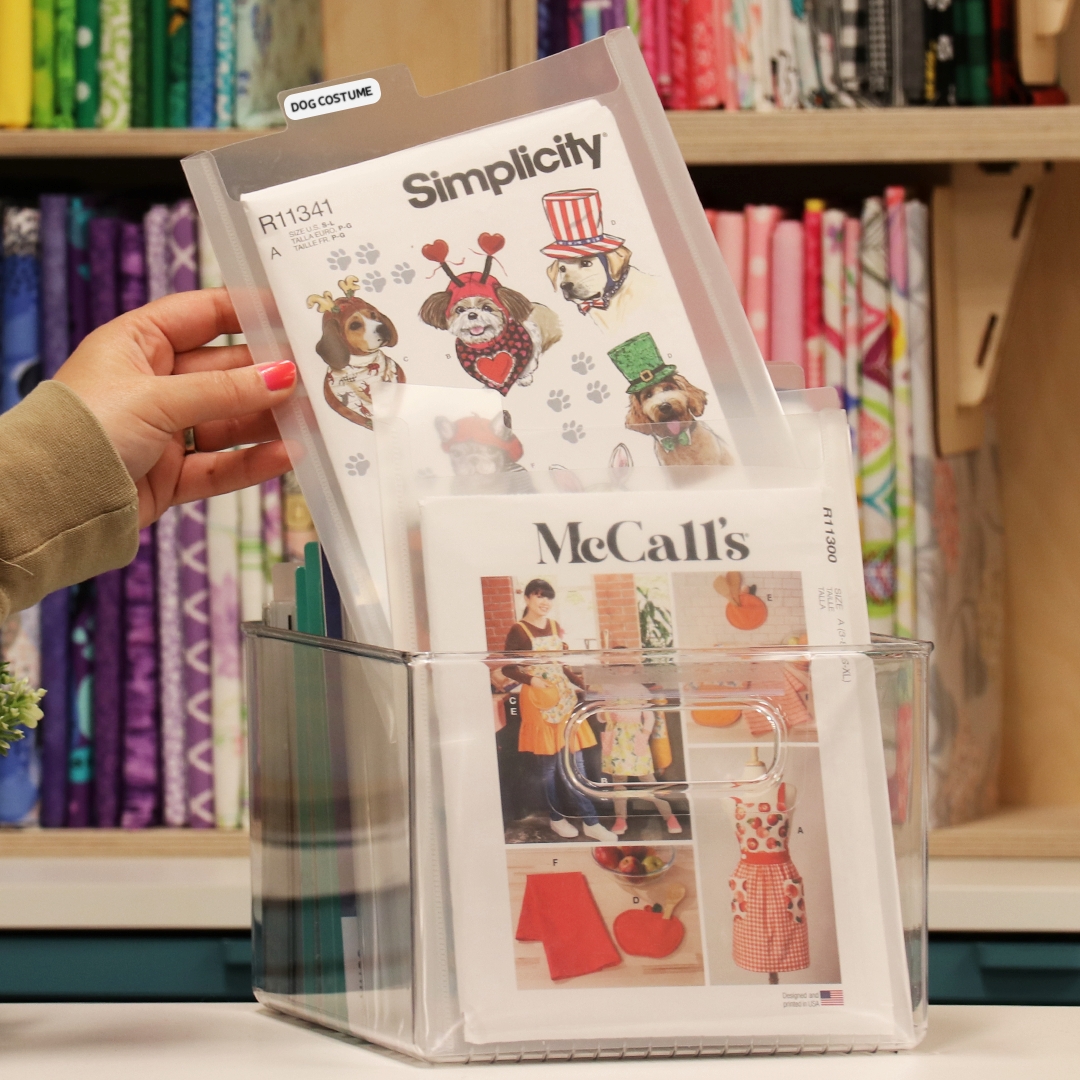
If your sewing room is full of patterns and it's hard to keep them organized, the Acrylic Crate is a great storage option. This clear crate lets you see what's inside while keeping everything neat and orderly. For an added level of organization, place your sewing patterns in a Storage Pocket. You can label the Storage Pocket to help you easily find the patterns you are looking for in the Acrylic Crate.
Tiny Sewing Supplies
Every sewing project requires small tools such as pins, needles, elastic, bobbins, zippers, buttons, rotary cutters, and scissors. When you do not have efficient storage, these items can easily get lost or cause clutter in your space. The Best Craft Organizer Cabinet is an excellent storage solution, keeping your supplies organized and easily accessible. Customize the drawer configuration to fit your needs, placing bobbins, needles, and cutting tools in shallow drawers so you never have to dig through your supplies. To further enhance your organization, use drawer inserts such as:

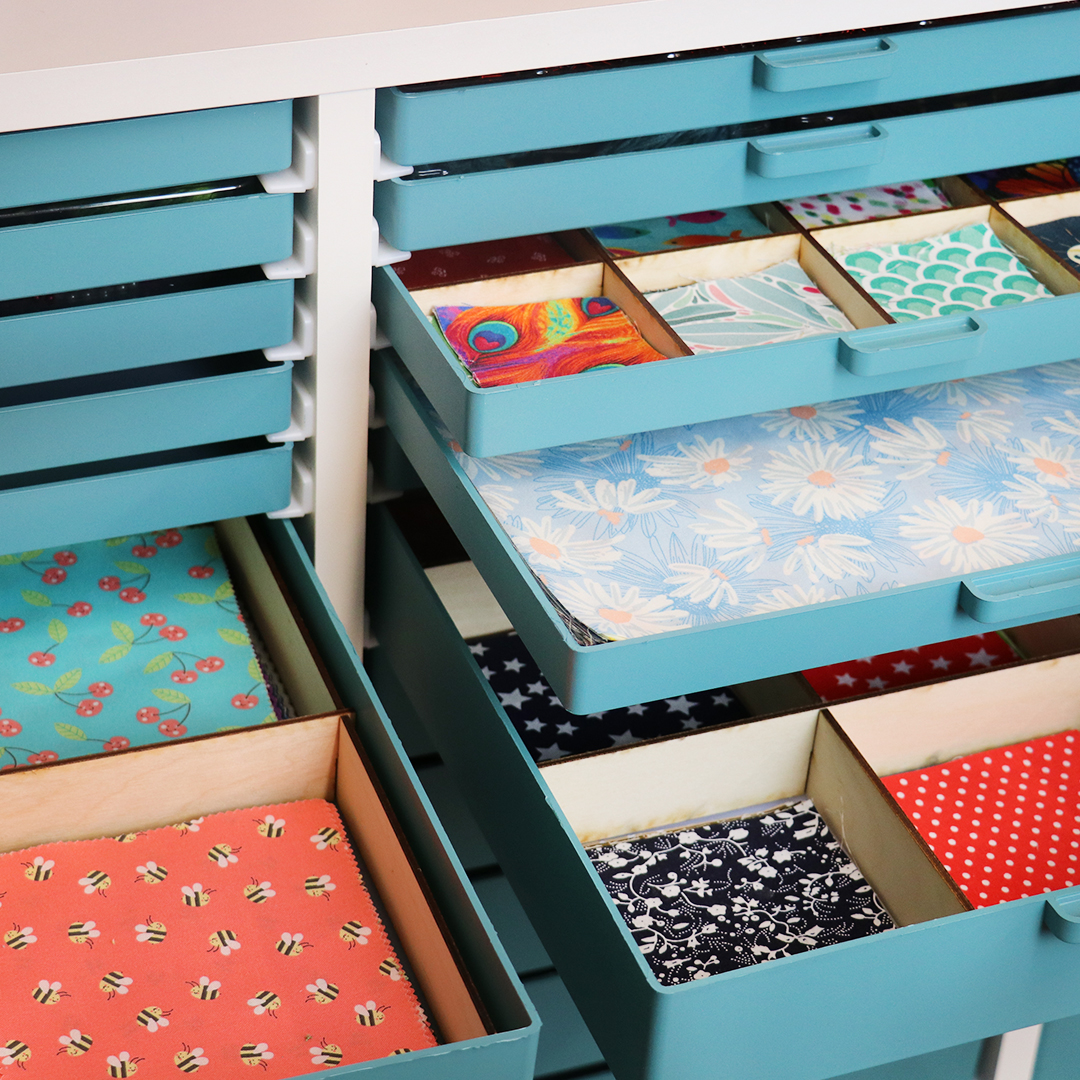
These grid systems and trays maximize the efficiency of your storage. Position the cabinet near your sewing station to keep your most frequently used tools within easy reach.
By prioritizing what is important in your sewing space and organizing your sewing supplies practically and efficiently, you can turn a disorganized mess into a beautiful, neat, and functional space. When your space is organized, you can easily find everything you need for your next sewing project. When everything has a dedicated spot, you know where it belongs and where to see it, taking the headache out of searching for a misplaced seam ripper or your rotary cutter. Stay Organized. Stay Crafty.